

Last Updated: October 22, 2026
Quick Summary
Effective foot care for active lifestyles starts with daily washing and drying, choosing moisture-wicking socks and properly fitted shoes, and inspecting your feet regularly for problems. Replace athletic shoes every 300 to 500 miles, strengthen your feet with targeted exercises three times weekly, and address any discomfort immediately rather than pushing through.
- Wash feet daily with mild soap and dry completely between toes to prevent fungal infections.
- Replace athletic shoes every 300 to 500 miles when cushioning and support degrade.
- Increase weekly running mileage by no more than 10 percent each week to allow feet time to adapt.
- Perform foot strengthening exercises like towel scrunches and single-leg balance work three times per week.
- Wear moisture-wicking socks made from merino wool or synthetic blends to reduce friction and prevent blisters.
Table of Contents
- The Foundation: Daily Foot Care Essentials
- How to Prevent Foot Pain While Running
- How to Choose Running Shoes That Support Your Feet
- How to Prevent Blisters When Hiking
- Post-Run Foot Care Routine for Recovery
- Foot Care for Occupations Requiring Long Standing Hours
- When to Seek Professional Care and Warning Signs
The Foundation: Daily Foot Care Essentials
Effective foot care for active lifestyles starts with the basics. Your feet carry you through miles of training, hours of standing, and countless impacts every single day.
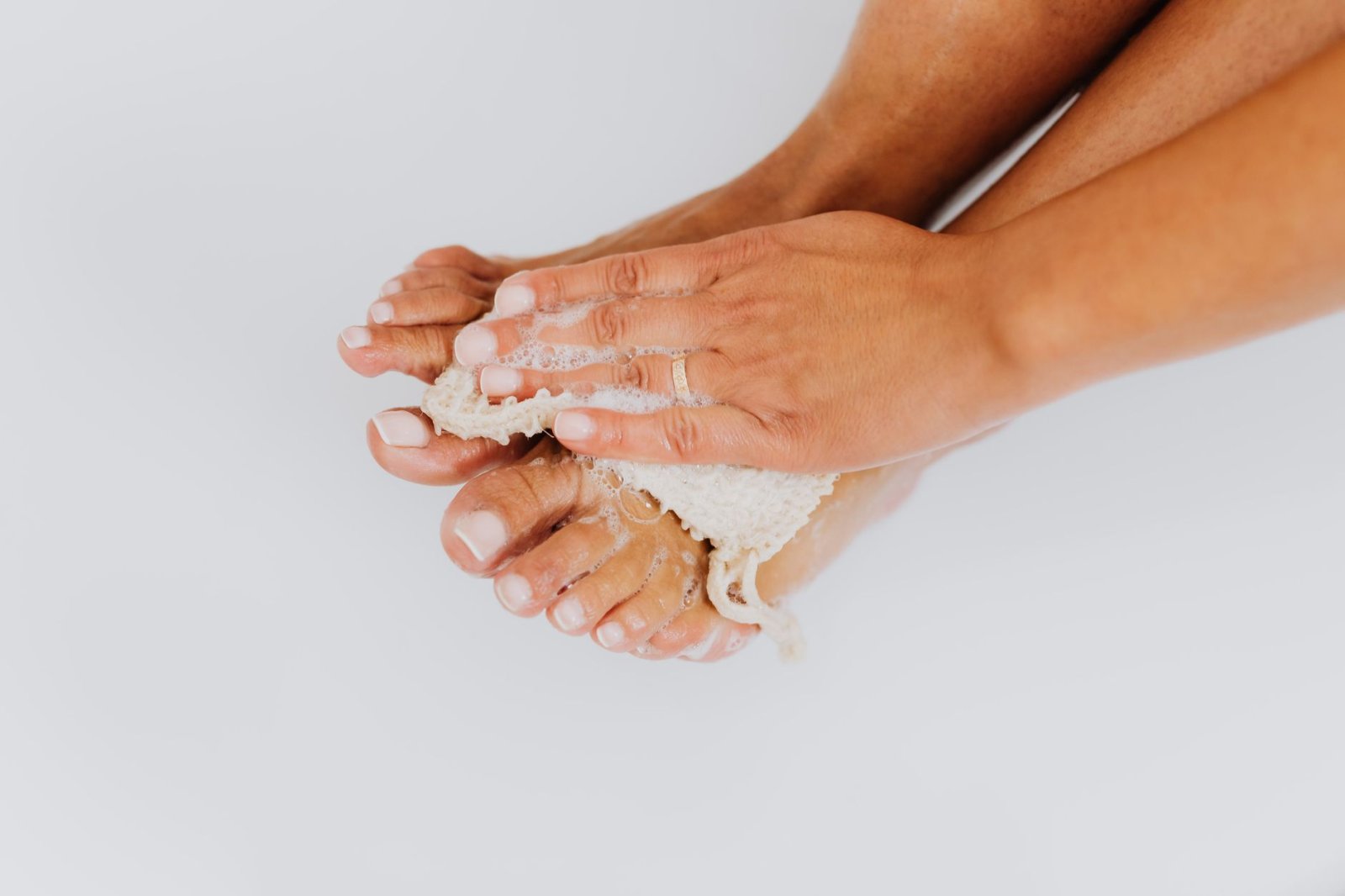
Wash and dry thoroughly every day
Start here: clean feet are healthy feet. Wash your feet daily with mild soap and warm water, paying special attention to the spaces between your toes where moisture and bacteria accumulate.
The drying part is just as critical as the washing. Many people rinse their feet and call it done. That's a mistake. Pat your feet dry completely, and don't rush through the areas between your toes.
For active people, consider a cleansing spray on days when a full wash isn't practical. The Stomp Footcare Cleansing Foot Spray is designed for hardworking feet and helps control unwanted odor while nourishing skin with Aloe Vera, Tea Tree Oil, and a tri-mineral complex.

Choose the right socks and footwear
Your socks matter more than most people realize. Moisture-wicking materials keep sweat away from your skin, reducing friction and the conditions that breed infection.
Footwear selection is where many active people go wrong. Shoes that don't fit properly create pressure points, restrict blood flow, and guarantee blisters and pain.
Replace your athletic shoes every 300 to 500 miles of use. The cushioning breaks down, the support diminishes, and worn shoes become injury machines.
Moisturize and inspect regularly
Dry, cracked skin on your feet isn't just uncomfortable, it's a gateway for infection and a sign that your skin barrier is compromised. The Stomp Footcare Hydrating Foot Cream locks in natural moisture with Jojoba Oil, Aloe Vera, and Urea, absorbing quickly without a greasy feel.
Inspection is your early warning system. Look at your feet every few days. Check for color changes, unusual swelling, cracks, blisters, or spots that don't look right.
How to Prevent Foot Pain While Running
Running puts concentrated force through your feet with every stride. The impact multiplies over distance. Prevent pain before it starts by managing load and building resilience.
Load management and gradual progression
The biggest mistake runners make is doing too much too soon. Your feet adapt to stress over time, but they need time.
Rest days matter. Your feet recover during rest, not during running. If you're running hard six days a week, your feet never get a chance to adapt.
Cross-training on low-impact activities like swimming or cycling maintains your fitness while giving your feet a break from the repetitive impact of running.
Strengthening and stretching routines
Weak feet and tight calves are foot pain waiting to happen. Your foot has 26 bones and dozens of small muscles. When those muscles are weak, the larger structures above your ankle (calves, shins, knees) have to compensate, creating pain and dysfunction.
Calf stretches should be part of your daily routine, not just post-run. Hold a deep stretch for 30 seconds, three times per leg.
Foot strengthening takes just five minutes. Towel scrunches (curl your toes to bunch a towel toward you), single-leg balance work, and resistance band exercises targeting your foot's intrinsic muscles build the stability that prevents pain. Do these three times per week, and you'll feel the difference within two weeks.
How to Choose Running Shoes That Support Your Feet
The right shoe transforms your running. The wrong one guarantees pain.
Fit, cushioning, and arch support
Get your gait analyzed at a specialty running store.
Cushioning should match your running surface and distance. Road runners benefit from more cushioning.
Arch support must match your foot's arch height. High arches need more support. Flat feet need stability.
Try shoes on in the afternoon when your feet are slightly swollen from the day's activity. This gives you a realistic fit.
When to replace your shoes
Track your running miles. Most running shoes are designed to last 300 to 500 miles before the cushioning and support degrade. Running in worn shoes is like running without support, your feet absorb more impact, and pain follows.
Signs your shoes are done: the midsole feels flat, the heel counter is compressed, the outsole shows significant wear patterns, or you're experiencing new aches that weren't there before.
How to Prevent Blisters When Hiking
Blisters are among the most preventable foot problems. They're caused by friction, moisture, and pressure, all things you can control.
Blister prevention strategies
Moisture is the enemy. Wear moisture-wicking socks made from synthetic materials or merino wool. Change socks if they get damp.
Fit matters enormously. Hiking boots should be snug around the heel and midfoot but not tight across the toes.
Lubrication reduces friction. Apply anti-chafe balm or powder to areas prone to blisters: heels, the sides of your big toe, and anywhere your boot creates pressure. The Stomp Footcare Lotion to Powder Deodorizer transforms from cream to powder, absorbing moisture and reducing chafing while keeping feet dry and smooth.

Toenails should be trimmed short. Long toenails create pressure inside your boot and can cause blisters on the nail bed. Trim them straight across, not rounded.
Treating blisters on the trail and after
If you feel a hot spot developing, stop immediately. Don't wait for a blister to form.
If a blister has already formed, don't pop it unless it's causing severe pain. The skin covering the blister protects the raw tissue underneath.
After the hike, keep the area clean and dry. If signs of infection appear, increasing redness, warmth, pus, or swelling, see a healthcare provider (the CDC).
Post-Run Foot Care Routine for Recovery
What you do after running matters as much as what you do during. Recovery is where adaptation happens.
Immediate post-run steps
Cool your feet within 30 minutes of finishing. A 10-minute soak in cool water reduces inflammation and feels incredible.
Inspect your feet for blisters, cuts, or areas of irritation. Treat any issues immediately rather than waiting. Early intervention prevents small problems from becoming big ones.
Apply a recovery product designed for tired feet. The Stomp Footcare Energizing Foot Cream provides rapid relief from tired, aching feet with a menthol-infused formula that cools and refreshes while urea restores vitality.

Evening and next-day recovery
Elevate your feet above heart level for 15 to 20 minutes in the evening. This reduces swelling and speeds recovery.
Light stretching in the evening addresses the tightness that develops from running.
The next day, gentle movement aids recovery better than complete rest. An easy walk or easy swim keeps blood flowing without stressing your feet further. This active recovery accelerates adaptation.
Foot Care for Occupations Requiring Long Standing Hours
Standing for 10 or more hours daily creates cumulative stress that running or hiking doesn't.
Supportive footwear is non-negotiable.
Compression socks reduce swelling and improve blood flow during your shift.
Foot soaks at the end of your shift reduce inflammation and provide relief.
Moisturize your feet daily, especially if your work environment is dry or you spend time in climate-controlled spaces.
When to Seek Professional Care and Warning Signs
Some foot problems require professional evaluation. Know when to stop self-treating and see a healthcare provider.
Persistent pain that doesn't improve with rest, ice, and proper footwear warrants evaluation.
Numbness, tingling, or loss of sensation in your feet needs evaluation.
If you have diabetes, circulation issues, or reduced sensation in your feet for any reason, see a podiatrist or foot specialist regularly.
Effective foot care for active lifestyles isn't complicated, but it requires consistency. At Stomp Footcare, we've built our product line around the reality that active feet need specialized care, our Hydrating Foot Cream, Energizing Foot Cream, and Cleansing Foot Spray are formulated specifically to support recovery and maintain the foot health that keeps you moving.

