

Table of Contents
- Why Foot Pain Happens When You Run
- Step 1: Check Your Running Shoes and Foot Strike
- Step 2: Best Running Shoes for Foot Pain Relief
- Step 3: Stretches for Runner's Foot Pain
- Step 4: Strengthen Your Feet and Legs
- Step 5: Manage Mileage and Running Surfaces
- When to See a Podiatrist for Running Injuries
- Post-Run Recovery Routine for Healthy Feet
- Frequently Asked Questions
Last Updated: September 7, 2026
Why Foot Pain Happens When You Run
Foot pain while running is almost never a single event. It is the product of accumulated stress: impact forces landing on structures that have not been conditioned to absorb them.
The most common culprit is plantar fasciitis, an inflammation of the thick band of tissue along the bottom of the foot. Many runners also deal with metatarsalgia, tendonitis, or stress fractures that develop quietly over weeks.
Understanding how to prevent foot pain while running starts with recognizing that your feet are the foundation of every stride, and the first step is learning how to prevent foot pain while running by addressing the root causes. When that foundation weakens, the pain radiates upward into your ankles, knees, and hips. At Stomp Footcare, we are dedicated to delivering high-quality care that supports your overall well-being and foot health. Prevention often fails when runners ignore warning signs and push through discomfort.

The good news is that most running-related foot pain is avoidable. The strategies below cover shoe selection, foot strike mechanics, stretching, strengthening, smart mileage progression, and recovery.
Step 1: Check Your Running Shoes and Foot Strike
Your shoes are the first line of defense, but they are also the most commonly ignored variable. A 2024 survey by the American Podiatric Medical Association found that over 60% of recreational runners wear shoes past their intended lifespan (apma.org). Most running shoes lose their cushioning and structural integrity after roughly 300 to 500 miles, regardless of how the outsole looks (peer-reviewed research).
Shoe wear patterns reveal your biomechanics. Heavy wear on the inside edge suggests overpronation, placing strain on the plantar fascia and medial arch. Wear on the outside edge points toward supination, transmitting more shock through the lateral column and often leading to peroneal tendonitis or stress fractures on the fifth metatarsal. A neutral pattern shows even wear across the heel and forefoot. A diagonal wear line from the lateral heel to the medial forefoot is normal, but if severe on one side, address the underlying mechanics.
Foot strike mechanics matter more than most runners realize. Heel strikers experience a sudden impact spike, often two to three times body weight, transmitted directly through the heel bone and up the Achilles tendon (peer-reviewed research). Midfoot and forefoot strikers allow the calf muscles and Achilles tendon to absorb force eccentrically, reducing peak impact by roughly 30%. Switching from a heel strike to a midfoot strike requires a gradual transition over 6 to 8 weeks, starting with short strides on soft surfaces.
A practical shoe rotation strategy can extend the life of your footwear and reduce injury risk. Rotating between two pairs allows the midsole foam to decompress for 24 to 48 hours between runs, extending the life of each pair by 20% to 30%. If you run five days per week, alternate two pairs, one for easy runs and one for tempo or long runs, and track the mileage on each pair separately.
When to replace based on feel: If you notice new aches in your feet, knees, or hips that were not present a few weeks earlier, check your shoe mileage first. A shoe that has lost its cushioning feels flat and unresponsive, and you may find yourself landing harder on your heels to compensate. That is your cue to replace them, even if you have not hit the 500-mile mark.
Gait analysis is the missing piece. Most runners self-select shoes based on brand loyalty or color, not on their actual biomechanics. A professional gait analysis, available at many running specialty stores or through a podiatrist, uses video capture to measure your foot strike angle, cadence, and pronation velocity. This data tells you whether you need a neutral, stability, or motion-control shoe. A stability shoe with a medial post can reduce excessive pronation by up to 20%, while a neutral shoe with high cushioning is often better for supinators. If you have never had a gait analysis, schedule one before your next shoe purchase, it is the single most effective step you can take to prevent foot pain.
Step 2: Best Running Shoes for Foot Pain Relief
When choosing the best running shoes for foot pain, fit matters more than brand loyalty. Your shoes should have about a thumb's width of space between your longest toe and the end of the shoe. A too-tight toe box crowds your toes and can aggravate metatarsalgia and nerve irritation.
Look for these features when shopping:
- Arch support that matches your foot type, whether you have high arches, flat feet, or neutral alignment
- Cushioning adequate for your body weight and typical running surface
- A stable heel counter that holds your foot securely without slipping
- A removable insole so you can swap in custom orthotics if a podiatrist recommends them
Runners with recurring plantar fasciitis often benefit from shoes with extra heel cushioning and firm arch support. Those with high arches typically need more shock absorption, while flat-footed runners may require motion-control shoes that limit overpronation.
Step 3: Stretches for Runner's Foot Pain
Stretches for runner's foot pain work best when performed consistently, ideally after a warm-up or post-run when muscles are pliable. Tight calf muscles pull on the Achilles tendon and the plantar fascia, so releasing them is essential.
Try this routine three to four times per week:
- Calf stretch: Stand facing a wall with one foot back, heel flat, and lean forward until you feel a stretch in the lower leg. Hold for 30 seconds per side.
- Plantar fascia stretch: Sit with one leg crossed over the other, pull your toes back toward your shin, and hold for 20 seconds.
- Towel scrunches: Place a towel flat on the floor and use your toes to scrunch it toward you. This builds strength in the small muscles of the foot.
- Achilles stretch: Stand on a step with your heels hanging off the edge, then lower them slowly below the step level.
Consistency beats intensity. A five-minute daily routine prevents more problems than a marathon stretching session once a week.
Step 4: Strengthen Your Feet and Legs
Strong feet absorb impact better than weak ones. Calf raises, where you rise onto your toes and lower slowly, build the muscles that support your arch. Single-leg balance work improves stability and corrects subtle weaknesses that alter your gait.
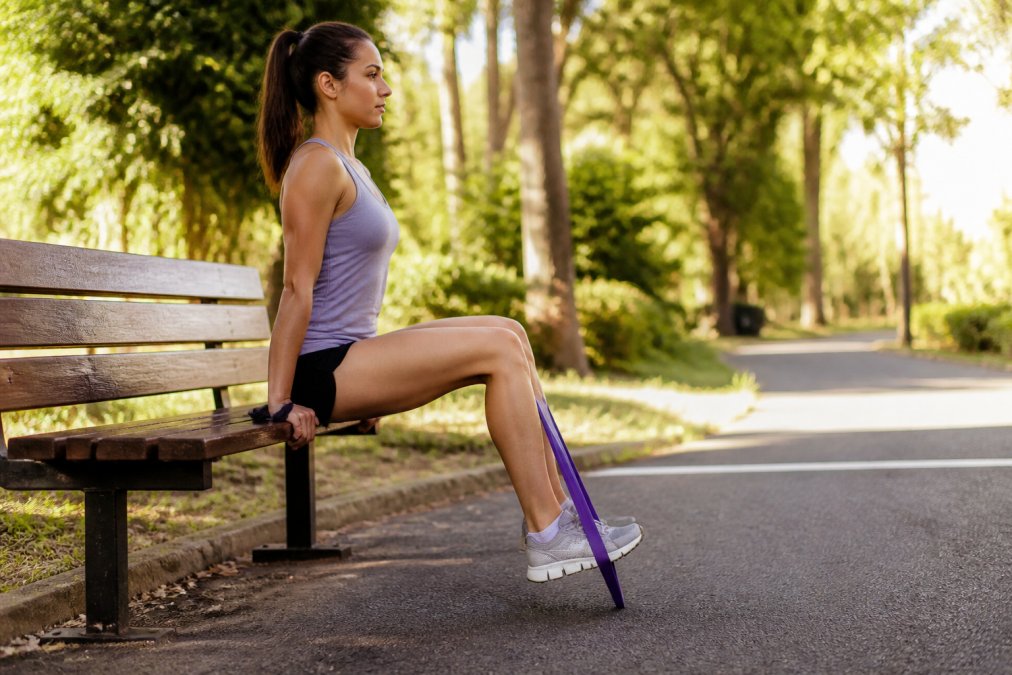
Incorporate these exercises into your weekly routine:
- Calf raises: 3 sets of 15, performed slowly with a pause at the top
- Toe yoga: Lift and spread your toes individually, holding each position for five seconds
- Resistance band work: Loop a band around the ball of your foot and push outward against it to strengthen the muscles that control pronation and supination
- Single-leg deadlifts: Improve balance and strengthen the chain from foot to hip
A weak arch collapses under load, stretching the plantar fascia and causing inflammation. Strengthening your intrinsic foot muscles gives your arch the support it needs naturally, reducing reliance on external devices.
Step 5: Manage Mileage and Running Surfaces
The "too much, too soon" error causes more running injuries than any other factor. The 10 percent rule is a useful guideline: increase your weekly mileage by no more than 10 percent from one week to the next. This gradual progression gives your tendons, ligaments, and bones time to adapt to increased stress.
Surface variation also plays a role. Running exclusively on hard concrete transmits more impact through your feet. Alternating with softer surfaces like grass, dirt trails, or a track reduces cumulative stress. Uneven natural surfaces require more stability work, so build up to them gradually.
Cross-training protects your feet. Low-impact exercise like swimming, cycling, or using an elliptical maintains cardiovascular fitness while giving your feet a break from repetitive pounding. Rest days are not optional; they are when your tissue actually repairs and strengthens.
When to See a Podiatrist for Running Injuries
Knowing when to see a podiatrist for running injuries can prevent a minor issue from becoming a chronic problem. Seek professional evaluation if you experience any of the following:
- Pain that persists after two weeks of rest and modified activity
- Sharp pain that worsens with each step rather than easing as you warm up
- Swelling, redness, or warmth in the foot that does not subside
- Numbness or tingling that radiates beyond the foot
- A suspected stress fracture, where pain is localized to one spot and increases with weight-bearing activity
A podiatrist can perform a gait analysis to identify biomechanical issues you cannot see yourself. They may recommend custom orthotics, night splints for plantar fasciitis, or specific treatment protocols. Ignoring persistent pain and running through it rarely ends well; it typically extends your recovery time.
Post-Run Recovery Routine for Healthy Feet
Recovery is where the adaptation happens. After your run, spend five to ten minutes on your feet before you move on with your day. This is the time to address inflammation, restore mobility, and care for the skin that takes every step with you. Recovery is not just about ice and stretching, it is about using the right tools at the right time to target the specific tissues that take the most beating.
The immediate window (0-15 minutes post-run): Your plantar fascia and intrinsic foot muscles are warm and pliable. This is the optimal time for gentle stretching and self-massage. A massage ball, specifically a lacrosse ball or a purpose-built foot massage ball about 2.5 inches in diameter, can release tension in the plantar fascia. Roll the ball from the heel to the ball of your foot for 60 to 90 seconds per foot, applying moderate pressure. Avoid rolling directly on the heel bone or the arch if you have acute plantar fasciitis pain; instead, focus on the calf and the base of the heel where the fascia attaches.
The inflammation window (15-60 minutes post-run): If you logged a hard workout or long run, ice therapy can reduce inflammation in the plantar fascia and surrounding soft tissue. A frozen water bottle is a classic tool, roll your foot over it for 10 minutes, which combines cold therapy with massage. For more targeted relief, use a gel ice pack wrapped in a thin towel over the heel and arch for 15 minutes. Do not ice for longer than 20 minutes at a time, as prolonged cold exposure can reduce blood flow to the point of slowing tissue repair.
The compression and elevation window (1-2 hours post-run): Compression socks designed for running recovery apply graduated pressure that helps move venous blood and lymphatic fluid out of the foot and lower leg. Look for socks with 15-25 mmHg compression, which is the range most practitioners recommend for post-exercise recovery. Wear them for 1 to 2 hours after your run, not during the run itself. Elevating your feet above heart level for 10 minutes while wearing compression socks further enhances venous return and reduces swelling.
The evening recovery window: Stomp Footcare Mineral Soak can relax muscles and soften skin. Use warm, not hot, water for 10 to 15 minutes, two to three times per week. Hot water can increase inflammation in acute injuries, so reserve soaks for non-inflamed recovery days. After soaking, apply a moisturizing cream to prevent dryness and callus buildup. The Stomp Footcare Energizing Foot Cream cools and softens tired feet while restoring vitality, making it ideal for daily post-run use. For deeper recovery, the Mineral Foot Soak with sea salt and peppermint relaxes muscles and softens skin after a hard week of training.

The foam roller for calves: Tight calves are a primary driver of plantar fascia tension. Use a foam roller on your calves for 60 seconds per leg, rolling from the Achilles tendon up to the back of the knee. This releases the gastrocnemius and soleus muscles, which directly reduces tension on the plantar fascia via the Achilles tendon. For deeper pressure, use a percussion massage gun on the calf at a low setting for 30 seconds per leg, avoid using it directly on the foot bones or the plantar fascia itself.
Nutrition and hydration for tissue repair: Tendons and ligaments need adequate protein and water to rebuild after stress. Connective tissue is primarily collagen, which requires vitamin C for synthesis, a deficiency can slow repair by up to 50%. Aim for 1.2 to 1.7 grams of protein per kilogram of body weight per day for active individuals, and ensure you are consuming 500 milligrams of vitamin C daily from sources like citrus, bell peppers, or a supplement. Hydration status also matters: even mild dehydration (1-2% body weight loss) reduces blood flow to peripheral tissues, slowing the delivery of nutrients and removal of metabolic waste. Drink 16 to 24 ounces of water within the first hour after your run, and monitor your urine color, pale yellow indicates adequate hydration.
A sample weekly recovery schedule:
Day |
Recovery Focus |
Tools |
Duration |
|---|---|---|---|
Easy run day |
Gentle stretching + moisturizing |
5 minutes |
|
Long run day |
Ice + compression + elevation |
Frozen water bottle, compression socks |
20 minutes |
Tempo day |
Massage ball + foam roller |
Lacrosse ball, foam roller |
10 minutes |
Rest day |
Foot soak + full massage |
Stomp Footcare Mineral Soak, percussion gun |
20 minutes |
This structured approach ensures every tissue, from the plantar fascia to the calf muscles to the skin, receives targeted recovery attention. The key is consistency: a five-minute daily routine prevents more problems than a marathon recovery session once a week.
Frequently Asked Questions
Why do I get foot pain when I run?
Foot pain while running usually comes from overuse, improper footwear, or a sudden increase in mileage. Common culprits include plantar fasciitis, which causes heel pain, and metatarsalgia, which affects the ball of the foot. Running in shoes that are worn out or lack proper arch support can also increase impact forces on your feet. Paying attention to where the pain is located can help you identify the likely cause and adjust your routine.
How do I know if my running shoes are causing foot pain?
Check the wear pattern on the outsole and midsole. If the tread is smooth or the cushioning feels flat, it is time for a new pair. A good rule is to replace running shoes every 300 to 500 miles. Also, look at the upper: if your foot spills over the side or you feel pressure points, the fit is wrong. Your shoes should feel snug but not tight, with about a thumb's width of space in the toe box.
What are the best running shoes for foot pain?
The best running shoes for foot pain depend on your foot type and gait. Runners with plantar fasciitis often benefit from shoes with firm arch support and a slightly elevated heel. Those with metatarsalgia may need extra cushioning in the forefoot. If you overpronate, look for stability shoes; if you have a neutral gait, neutral cushioned shoes may work. A gait analysis at a running store can confirm which type fits your foot strike.
