

Table of Contents
- What Causes Burning Foot Pain and When to Seek Help
- Home Remedies for Burning Feet That Work
- Cool Water and Mineral Soaks for Immediate Relief
- Burning Feet at Night Remedies and Sleep Strategies
- Nerve Pain in Foot Home Treatment Options
- Footwear, Elevation, and Rest: Practical Relief Strategies
- Topical Creams and Natural Supplements for Burning Foot Pain
- Tracking Symptoms and Knowing When Professional Help Is Needed
- Frequently Asked Questions
Last Updated: October 13, 2026
What Causes Burning Foot Pain and When to Seek Help
Burning foot pain ranges from mild discomfort to severe nerve-related sensations that interfere with daily life. At Stomp Footcare, we understand that the cause matters. Different underlying conditions require different approaches to relief.
Common underlying causes
Burning feet stem from several sources. The most common is peripheral neuropathy, a condition where nerves in your feet become damaged and send incorrect pain signals. This often develops from diabetes, vitamin deficiencies (especially B12), or prolonged pressure on nerves.
Other frequent causes include:
- Athlete's foot or fungal infections that inflame the skin
- Poor circulation limiting blood flow to your feet
- Inflammatory conditions like rheumatoid arthritis
- Prolonged standing or high-impact activities that stress foot tissues
- Ill-fitting shoes that create friction and pressure points
- Nutritional deficiencies affecting nerve function
Burning sensation at night is particularly common. When you lie down, your feet warm up under blankets, and reduced activity can amplify nerve pain signals. Many people find their burning feet symptoms worsen in the evening or during sleep.
Red flags that warrant medical evaluation
Some burning foot pain signals a need for professional diagnosis. Seek medical attention if you experience:
- Burning pain accompanied by numbness or tingling that spreads up your leg
- Pain that develops suddenly after an injury or illness
- Severe burning that disrupts sleep or daily function
- Signs of infection like redness, swelling, or drainage
- Burning feet combined with unexplained weight loss or fatigue
- Pain that worsens despite home treatment after two weeks
Your doctor can run tests to identify the underlying cause. Blood work checks for diabetes and vitamin levels. Nerve conduction studies assess peripheral neuropathy. Once you know the cause, targeted treatment becomes possible.
Home Remedies for Burning Feet That Work
The most effective burning foot pain relief combines multiple approaches. No single remedy works for everyone, but most people find relief by addressing both symptoms and underlying triggers.
Start with the remedies that target your specific situation. If your feet burn after standing all day, focus on rest and elevation. If burning worsens at night, cool water soaks before bed help. If you suspect nerve involvement, add anti-inflammatory supplements to your routine.
The foundation of any burning feet strategy includes three elements: cooling the affected area, reducing inflammation, and protecting feet from further stress. Layer these approaches for better results.
Cool Water and Mineral Soaks for Immediate Relief
Cool water soaks provide rapid, temporary relief from burning foot pain. The cooling sensation masks nerve pain signals and reduces inflammation. Most people feel relief within minutes.
How to perform an effective foot soak
Fill a basin with cool water deep enough to submerge your feet completely. You don't need ice-cold water, cool is more comfortable and equally effective. Add Epsom salt or a mineral foot soak for additional benefits.

Here's the basic process:
- Fill a basin or foot bath with cool water
- Add mineral soak product if using one (follow package instructions for amount)
- Submerge both feet fully
- Soak for 15-20 minutes
- Pat feet dry gently with a soft towel
- Apply a cooling foot cream immediately after while skin is still damp
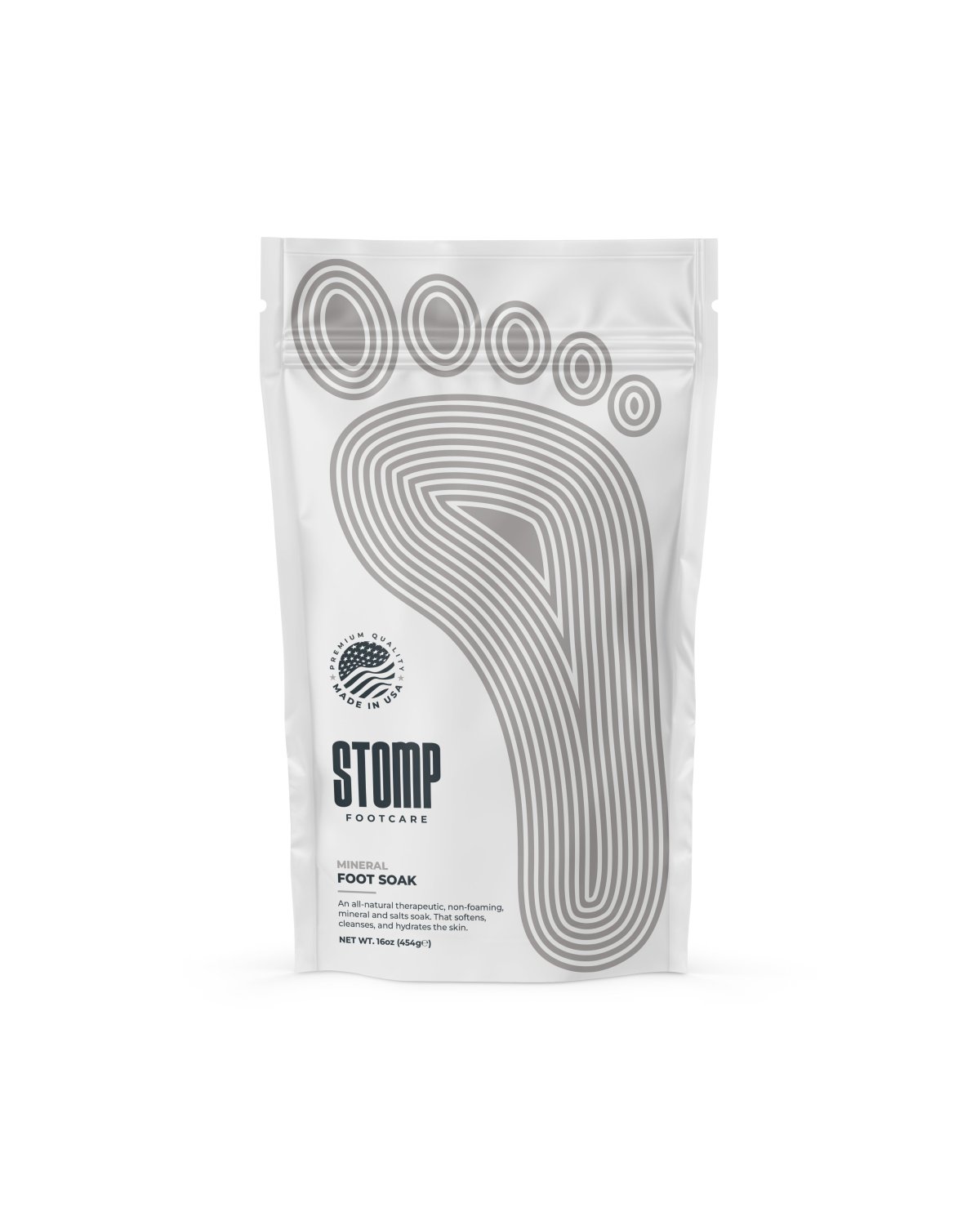
Stomp Footcare's Mineral Foot Soak combines sea salt, peppermint, and eucalyptus for enhanced cooling and cleansing. The peppermint provides that soothing sensation while eucalyptus helps refresh tired feet. Tea tree oil in the blend supports overall foot health during the soak.
Water temperature and duration guidelines
Cool water works better than cold for sustained relief. Water between 60-70°F provides comfort without shock. If your tap water is warmer, add ice gradually until you reach the right temperature.
Duration matters more than extreme cold. Soak for 15-20 minutes. This timeframe allows the cooling effect to penetrate while avoiding prolonged exposure that can dry skin. Longer soaks don't increase relief, they just increase drying.
Frequency depends on your burning intensity. For mild burning, one soak daily works well. For severe burning, two soaks (morning and evening) provide better control. Most people find evening soaks before bed particularly helpful since they cool feet before sleep.
Never soak if you have open wounds, active infections, or diabetic complications without checking with your doctor first. These conditions require professional guidance.
Burning Feet at Night Remedies and Sleep Strategies
Nighttime burning foot pain disrupts sleep and leaves you exhausted.
Cool your feet before bed. Take a 15-minute cool water soak an hour before sleep.
Sleep positioning matters. Keep feet outside heavy blankets or use a lightweight cotton sheet instead. Some people find a cooling gel pad or cooling foot wrap helpful.
Apply cooling foot cream before bed. Stomp Footcare's Energizing Foot Cream contains menthol that cools and soothes while the formula softens skin.

Elevation while sleeping reduces blood pooling in your feet, which can intensify burning sensations.
Keep your bedroom cool. A room temperature around 65-68°F helps prevent feet from overheating under blankets. Open a window or use a fan to maintain airflow.
Avoid activities that trigger burning before bed. Skip intense exercise, hot baths, or spicy foods in the evening. These activities increase inflammation and body temperature, worsening nighttime symptoms.
Nerve Pain in Foot Home Treatment Options
When burning foot pain stems from nerve damage, anti-inflammatory approaches help reduce pain signals. Peripheral neuropathy responds better to consistent care than acute remedies.
Natural supplements can support overall well-being. B-complex vitamins, especially B12, are important for nerve health. (Source: Mayo Clinic's guide on athlete's foot)
These supplements can take time to show effects. Consistency is often key for best results.
Topical treatments can provide cooling and soothing effects. Creams containing ingredients like aloe vera and menthol can be applied after soaking while skin is still slightly damp for better penetration.
Gentle foot massage can improve circulation. Use slow, deliberate strokes from toes toward your ankle. Avoid aggressive massage that might irritate already-sensitive nerves. A 5-10 minute massage daily can be helpful, especially combined with cooling foot cream.

Footwear, Elevation, and Rest: Practical Relief Strategies
What you wear on your feet dramatically affects burning pain. The wrong shoes create pressure points and restrict circulation. The right footwear reduces symptoms significantly.
Choosing breathable, supportive shoes
Select shoes with adequate arch support and cushioning. Flat shoes or high heels both increase foot stress. Look for shoes with:
- Breathable materials that allow airflow and reduce heat buildup
- Moisture-wicking linings that keep feet dry
- Cushioned soles that absorb impact
- Roomy toe boxes that don't compress toes
- Lightweight construction that reduces foot fatigue
Avoid tight socks. Choose moisture-wicking, breathable options instead. Compression socks help some people by improving circulation, but they must fit properly, too tight compression worsens burning sensations.
Go barefoot when possible. If you're indoors and feet are clean, barefoot time reduces pressure and allows feet to cool naturally. This simple approach provides relief without any product.
Replace worn shoes regularly. Shoes lose cushioning after 300-500 miles of use. Worn-out shoes increase foot stress and burning pain.
The role of elevation and rest
Elevation reduces blood pooling in your feet, which decreases inflammation and burning sensations. Prop your feet up on a pillow or ottoman whenever sitting. Aim for feet above heart level.
Even 15 minutes of elevation provides noticeable relief. Make it a habit during work breaks or while watching television. The more consistently you elevate, the better the results.
Rest is equally important. If your burning feet stem from standing all day, reduce time on your feet. Take sitting breaks every hour. When you must stand for long periods, shift your weight frequently to avoid pressure points.
Activities that stress feet make burning worse. High-impact exercise, long walks, or intense standing should be limited until symptoms improve. Low-impact alternatives like swimming or cycling let you stay active without stressing feet.
Topical Creams and Natural Supplements for Burning Foot Pain
Direct application of cooling and soothing creams provides fast relief. These products work best when applied to clean, slightly damp skin for maximum absorption.
Stomp Footcare's Energizing Foot Cream combines menthol for cooling with urea and aloe vera for skin conditioning. The menthol provides that immediate cooling sensation while the formula softens and protects feet. Apply it after soaking or washing feet, when skin is still damp, for best results.
For dry, cracked feet that contribute to burning sensations, the Hydrating Foot Cream locks in moisture while nourishing skin. Enriched with jojoba oil, aloe vera, and vitamin B5, it prevents moisture loss and supports skin healing.
Natural supplements can support overall well-being:
- B-complex vitamins, especially B12, are important for nerve health.
Start supplements at recommended doses and maintain consistency. Track how you feel and adjust as needed.
Herbal teas can be a part of a relaxing routine. Chamomile can support relaxation and sleep quality.
Tracking Symptoms and Knowing When Professional Help Is Needed
Keep a simple symptom log. Note when burning occurs, what makes it better or worse, and which remedies provide relief. Track this for 1-2 weeks.
Your log should include:
- Time of day burning is worst
- Intensity on a scale of 1-10
- What you were doing when it started
- Which remedies helped and how long relief lasted
- Any new symptoms or changes
This information helps you identify patterns. Maybe burning worsens after certain activities or improves with specific remedies. Patterns guide which approaches work best for your situation.
Seek professional evaluation if:
- Home remedies don't provide relief after two weeks
- Burning pain worsens despite treatment
- You develop numbness, tingling, or weakness
- Pain spreads to other areas
- You notice swelling, redness, or signs of infection
- Burning interferes with sleep or daily function
Your doctor can determine the underlying cause and recommend targeted treatment. Blood work, imaging, or nerve tests might be necessary. Once the cause is identified, professional treatment combined with home remedies provides the best results.
Burning foot pain disrupts your daily life and steals sleep. The good news is that most cases respond well to consistent home care combining cool soaks, proper footwear, elevation, and targeted creams. Stomp Footcare's Energizing Foot Cream and Mineral Foot Soak work together to cool, soothe, and protect feet while you address underlying causes.
Frequently Asked Questions
What vitamin deficiency causes burning feet?
Vitamin B12 deficiency is a common cause of burning feet and can lead to peripheral neuropathy, a condition affecting nerve function. Low B12 impairs nerve health and can trigger burning sensations, especially in the feet. Other vitamin deficiencies, including B6 and folate, may also contribute. If you suspect a deficiency, consult a healthcare provider for blood work and appropriate supplementation rather than self-treating.
Can soaking feet in cool water really help burning foot pain?
Yes. Cool or cold water soaks provide temporary relief by reducing inflammation and numbing the burning sensation. The key is water temperature—cool water is generally recommended for 15–20 minutes. Avoid ice-cold water, which can damage skin or trigger nerve pain in some people. For enhanced relief, add Epsom salt or mineral-based foot soaks like Stomp Footcare's Mineral Foot Soak, which combines Sea Salt, Peppermint, and Eucalyptus to soothe and refresh tired feet.
What causes burning feet at night, and how do I stop it?
Burning feet at night often occur due to inflammation, nerve irritation, or reduced activity allowing symptoms to intensify. Elevation before bed reduces swelling, while cool water soaks 1–2 hours before sleep can calm nerves. Wear breathable, moisture-wicking socks to prevent heat buildup. If burning worsens at night despite these steps, it may signal an underlying condition like neuropathy or circulation issues—consult a healthcare provider.
How long does it take for natural remedies to relieve burning foot pain?
Cool water soaks and foot elevation provide immediate temporary relief lasting 30 minutes to a few hours. Topical creams like Stomp Footcare's Energizing Foot Cream offer rapid relief from tired, aching feet and can be applied daily. However, lasting improvement typically requires consistent use over 1–2 weeks combined with addressing underlying causes. If pain persists beyond two weeks despite home care, seek medical evaluation to rule out serious conditions.
