

Table of Contents
- What Are Foot Calluses and Why They Form
- How to Treat Foot Calluses Safely: The Complete Process
- Best Callus Remover for Feet: Choosing the Right Product
- Diabetic Foot Care Calluses: Special Safety Considerations
- When to See a Podiatrist for Calluses
- What to Avoid: Common Mistakes in Callus Removal
- Prevention Tips to Stop Calluses Before They Start
- Frequently Asked Questions
Last Updated: September 18, 2026
What Are Foot Calluses and Why They Form
Foot calluses are thickened areas of dead skin that develop in response to repeated friction or pressure. Your body builds up these protective layers as a defense mechanism when your feet experience constant rubbing or weight-bearing stress. Understanding what calluses are helps you treat them effectively and prevent new ones from forming.
Calluses typically appear on heels, balls of the feet, and sides of toes. They form when your skin's outer layer responds to pressure by creating extra keratin buildup. Unlike blisters, calluses aren't painful by themselves, but they can become uncomfortable if they grow too thick or crack.
Common causes include tight shoes, high heels, barefoot walking, or standing for long hours. Calluses are preventable and treatable with the right approach.
How to Treat Foot Calluses Safely: The Complete Process
The safest way to treat foot calluses involves a four-step process: soak, exfoliate, apply remover, and moisturize. This method works gradually and reduces the risk of bleeding or infection.
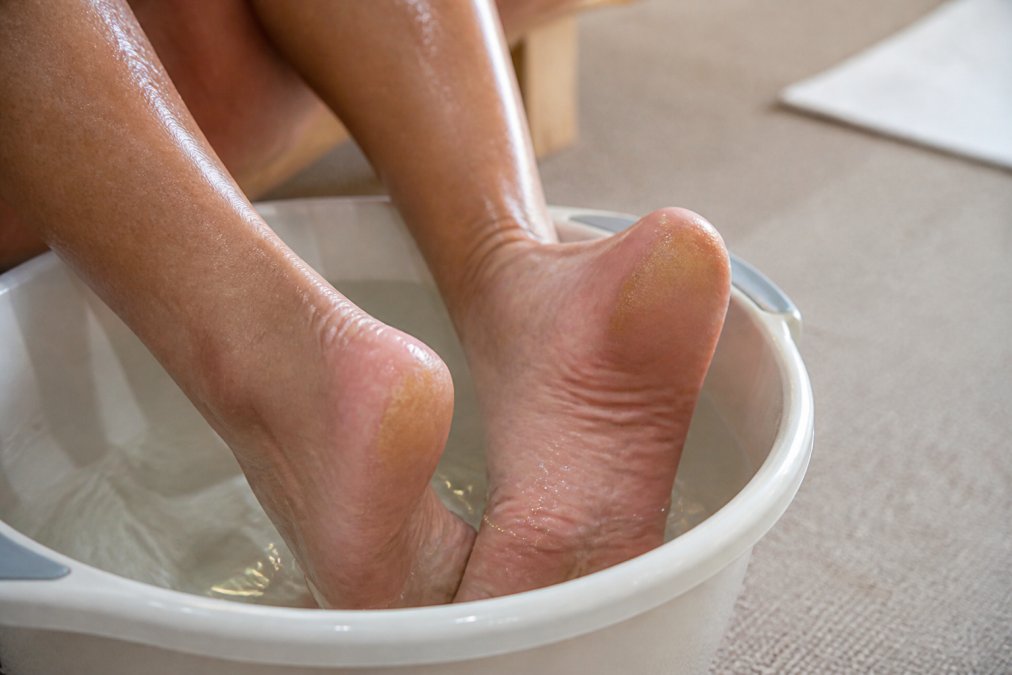
Step 1: Soak Your Feet in Warm Water
Soak your feet in warm soapy water for 10-15 minutes. Warm water softens the outer skin layer and makes dead skin cells easier to remove.
Fill a basin with warm water and mild soap. Some people add Epsom salt, which can help reduce inflammation and soften skin.
Never use water that's too hot. Extremely hot water can damage healthy skin and irritate calluses. Aim for a comfortable temperature you can keep your feet in for the full time.
Step 2: Exfoliate Gently with a Pumice Stone or Foot File
After soaking, gently rub callused areas with a pumice stone or foot file using light, circular motions. Remove dead skin gradually, not all at once.
A pumice stone works well for mild calluses; a foot file provides more control for thicker buildup. Wet pumice stones are gentler than dry ones. Repeat gently over several days rather than trying to remove everything in one session.
Never use a callus shaver or razor blade on your own. These tools can cause bleeding and infection if used incorrectly. Leave aggressive removal to a podiatrist.
Step 3: Apply a Callus Remover Product
After exfoliating, apply a callus remover product containing salicylic acid or urea. The Intensive Callus Remover from Stomp Footcare contains salicylic acid and urea with aloe vera. Apply directly to the callus and let it absorb.

Most callus removers work best on damp skin. Follow product instructions for contact time, typically 10-15 minutes or overnight.
Salicylic acid breaks down the protein structure of dead skin. Urea hydrates and softens the skin barrier. Together, these ingredients safely reduce callus thickness.
Step 4: Moisturize and Protect
Finish by moisturizing with a foot cream containing jojoba oil, aloe vera, or shea butter. This locks in hydration and prevents dryness and cracking.
The Hydrating Foot Cream from Stomp Footcare absorbs quickly and prevents moisture loss. Apply generously and wear socks to help it absorb. Daily moisturizing reduces callus risk.
Best Callus Remover for Feet: Choosing the Right Product
Choose a callus remover based on callus severity and skin sensitivity. Over-the-counter products fall into several categories with different mechanisms of action.
Salicylic Acid (Beta Hydroxy Acid)
Salicylic acid breaks down the protein bonds holding dead skin together. Products contain 10-40% concentration: lower (10-17%) for sensitive skin or mild calluses; higher (20-40%) for severe calluses but with greater irritation risk. It has mild antimicrobial properties and requires 10-15 minutes contact time. It's FDA-recognized and the gold standard in podiatry.
Urea (Humectant and Keratolytic)
Urea hydrates skin and breaks down keratin at concentrations above 20%. It's gentler than salicylic acid and ideal for sensitive skin, overnight treatments, and cracked, dry calluses. Many foot masks combine urea with hyaluronic acid or glycerin.
Lactic Acid (Alpha Hydroxy Acid)
Lactic acid is a mild exfoliant that dissolves bonds between dead skin cells. It's often combined with moisturizers, suitable for daily use, and ideal for very sensitive skin, though it works more slowly than stronger keratolytics.
Product Type |
Best For |
Key Ingredients |
Strength |
Contact Time |
|---|---|---|---|---|
Creams with salicylic acid |
Thick, stubborn calluses |
Salicylic acid (10-40%), moisturizers |
High |
10-15 minutes |
Foot masks |
Overnight softening, dry calluses |
Urea (20-40%), hyaluronic acid, aloe vera |
Medium |
6-8 hours or overnight |
Medicated pads |
Spot treatment, mild calluses |
Salicylic acid (10-17%), plant extracts |
Medium |
10-20 minutes |
Pumice scrubs |
Gentle exfoliation, prevention |
Natural pumice, lactic acid, oils |
Low |
5-10 minutes |
How to Choose
For thick, painful calluses, use salicylic acid (20%+) for fastest results in 5-7 days. For mild calluses or sensitive skin, use urea masks or ammonium lactate creams; expect results in 10-14 days. For prevention, use gentle lactic acid scrubs or low-concentration salicylic acid pads.
For eczema, psoriasis, or reactive skin, avoid salicylic acid and use urea or ammonium lactate. For dry, cracked calluses, use products combining exfoliation with hydration, urea masks or creams with glycerin and aloe vera.
Follow contact time instructions exactly. Leaving a product on longer than directed increases irritation risk without speeding results.
Diabetic Foot Care Calluses: Special Safety Considerations
People with diabetes face unique risks when treating calluses because high blood sugar reduces foot sensation, impairs wound healing, and increases infection risk. Safe callus management requires a different protocol.
Why Diabetes Changes Callus Treatment
Diabetic neuropathy causes loss of protective sensation, so you may not feel pain, heat, or minor cuts. High blood sugar impairs immune function and slows wound healing by 2-3 times. A small cut can take 2-3 weeks to heal and may become infected. The removal process carries elevated risk.
Safe Callus Removal Protocol for Diabetics
1. Daily Foot Inspection (Non-Negotiable)
Inspect your feet every morning and evening using a mirror. Look for new calluses, redness, swelling, cracks, blisters, discoloration, or signs of fungal infection. If you find any of these, contact your podiatrist immediately.
2. Gentle Exfoliation Only, No Sharp Tools
3. Water Temperature Control
4. Product Selection for Diabetics
5. Footwear and Pressure Management
When to Seek Professional Care (Immediately)
Professional Callus Removal for Diabetics
Prevention: The Best Strategy
When to See a Podiatrist for Calluses
See a podiatrist if calluses are painful, bleeding, or not improving after two weeks. A podiatrist can safely remove thick calluses and diagnose underlying foot problems.
What to Avoid: Common Mistakes in Callus Removal
Common mistakes include scrubbing too hard, using razors, soaking in hot water, applying too much product, ignoring pain or bleeding, treating numb feet at home, and wearing tight shoes. The most common mistake is impatience, trying to remove months of buildup in one session. Treat calluses gradually over several weeks for safe results.
Prevention Tips to Stop Calluses Before They Start
Preventing calluses is easier than treating them. Reduce pressure and friction while keeping skin hydrated.
Frequently Asked Questions
What's the safest way to remove calluses at home without causing bleeding or infection?
Soak your feet in warm soapy water for 10-15 minutes to soften dead skin cells, then gently exfoliate with a pumice stone or foot file using light pressure. Apply a callus remover product containing salicylic acid and urea—like Stomp Footcare's Intensive Callus Remover—which softens and reduces calluses without aggressive scraping. Finish with a hydrating foot cream to restore moisture and skin integrity. Avoid using razor blades or aggressive shavers, which increase bleeding and infection risk.
How long does it take to see results when treating foot calluses?
Most people notice softer, smoother skin within 1-2 weeks of consistent treatment using exfoliation and callus-removal products. Visible reduction in callus thickness typically takes 3-4 weeks of regular care. For stubborn calluses, especially those caused by friction from footwear or prolonged standing, results may take longer. Using a combination approach—soaking, exfoliating, and applying medicated products like those containing salicylic acid—speeds the process compared to single-step methods.
Is callus removal safe for people with diabetes?
Diabetic foot care requires extra caution because high blood sugar can reduce sensation and slow healing, increasing infection risk. Never use sharp tools, razors, or aggressive shavers on diabetic feet. Instead, use gentle exfoliation with pumice stones and products formulated for sensitive skin. Always inspect your feet daily for cuts, bleeding, or signs of infection. Consult a podiatrist before starting any home callus treatment if you have diabetes, neuropathy, or poor circulation. Professional removal is often the safest option for diabetic patients.
When should I see a podiatrist instead of treating calluses at home?
See a podiatrist if calluses are painful, bleeding, showing signs of infection (redness, warmth, pus), or not improving after 4 weeks of home treatment. Also seek professional care if you have diabetes, poor circulation, or nerve damage in your feet. Podiatrists can safely remove thick, deep calluses and address underlying biomechanical issues—like footwear fit or gait problems—that cause callus formation. They can also prescribe stronger treatments or custom orthotics to prevent recurrence.
