

Table of Contents
- How Long Until Foot Cream Results Appear
- Best Ingredients for Dry Foot Skin
- Factors That Influence Healing Time
- How to Treat Cracked Heels Fast
- Foot Cream Application Tips for Maximum Absorption
- Overnight Treatment Methods That Work
- Maintenance vs. Repair: When to See a Professional
- Frequently Asked Questions
Last Updated: September 26, 2026
How Long Until Foot Cream Results Appear
Most people expect foot cream to work overnight. It won't. But you don't need weeks either.

The timeline for foot cream results depends on what you're treating. For mild dryness, you'll notice softer skin within 3-5 days of consistent use. Cracked heels and calluses take longer, typically 7-14 days to see visible improvement, with best results around 3-4 weeks of daily application.
Here's what matters: consistency beats intensity. One application won't do anything. A regimen does.
The speed also depends on how severe your foot condition is. Slightly dry skin responds in days. Deep fissures and heavily callused heels need time. Your skin rebuilds itself on a schedule you can't rush.
Best Ingredients for Dry Foot Skin
Not all foot creams are equal. The ingredients determine whether you're just moisturizing or actually repairing damaged skin.
Urea is the heavy hitter for dry feet. It penetrates the outer skin layer and draws moisture into deeper tissue. Look for creams with 10-20% urea for serious dryness. The Stomp Footcare Hydrating Foot Cream contains urea, which locks in moisture while hydrating and protecting your skin.
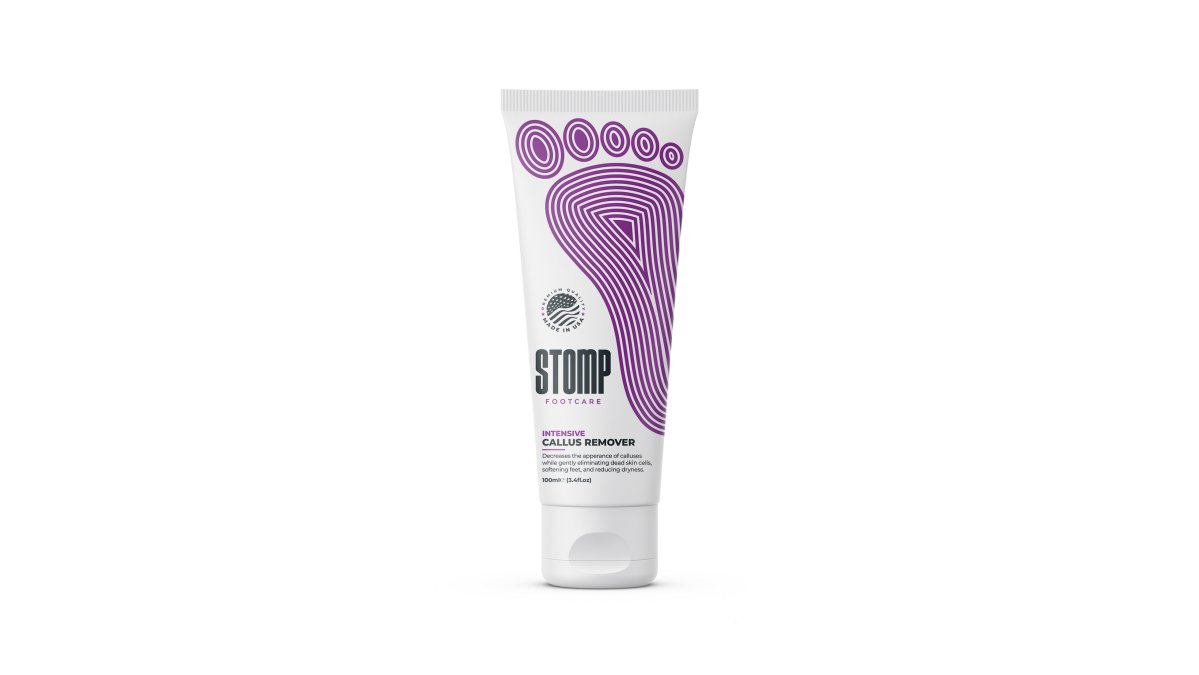
Salicylic acid targets calluses and thick, dead skin. It gently removes buildup without harsh scrubbing. If you have heavy calluses alongside dryness, the Intensive Callus Remover with salicylic acid works by softening and reducing callused areas while hydrating the skin beneath.

Aloe vera soothes irritated skin and reduces inflammation. It's especially useful if your cracked heels sting or feel raw. Aloe works best paired with other active ingredients, it's a supporting player, not the main act.
Alpha hydroxy acids (AHAs) and lactic acid exfoliate gently. They remove dead skin cells that trap moisture and prevent healing. These work best in overnight treatments where they have time to penetrate.
Emollients like jojoba oil and glycerin seal moisture in. They create an occlusive layer that prevents trans-epidermal water loss, the scientific term for moisture evaporating from your skin. Without occlusion, even the best hydrating ingredients escape.
The best foot cream for you combines multiple categories. You need exfoliation (to remove dead skin), hydration (to draw moisture in), and occlusion (to keep it there).
Factors That Influence Healing Time
Why does one person's feet heal in a week while another needs three? Several factors change the timeline.
Skin severity matters most. Mild dryness responds in days. Moderate dryness takes 7-10 days. Deep fissures and severe calluses need 3-4 weeks minimum. There's no shortcut, your skin regenerates at its own pace.
Application frequency directly affects speed. Once daily is maintenance. Twice daily accelerates healing. Some people see faster results with overnight treatments because the cream has uninterrupted time to absorb and work while you sleep. The occlusion effect, where a covered area retains more moisture, amplifies the cream's impact.
Your daily habits either help or hurt. If you're on your feet 10+ hours a day at work, your feet are under constant stress. Moisture evaporates faster. Skin breaks down faster. The cream has to fight harder. People with desk jobs see results faster than athletes or those in standing professions, all else equal.
Climate and humidity affect absorption. Dry air pulls moisture from your skin faster. If you live in a dry climate or spend time in air conditioning, you need more frequent application. Humid environments help creams absorb and stay on your skin longer.
Age and skin type change the equation. Older skin regenerates slower. Thicker skin (common on heels) takes longer to soften. Thin, sensitive skin may respond faster but requires gentler formulas.
Footwear choices impact healing. Tight shoes create pressure and friction that worsen cracks. Breathable shoes let skin recover. Going barefoot at home accelerates healing. Wearing supportive shoes during the day protects damaged areas from further stress.
Factor |
Impact on Timeline |
What You Can Control |
|---|---|---|
Skin severity |
Determines baseline |
Use appropriate formula |
Application frequency |
2x daily = 30-50% faster |
Apply morning and night |
Daily activity level |
High activity slows healing |
Reduce standing time when possible |
Climate |
Dry air slows results |
Use cream more often in dry environments |
Footwear |
Poor shoes worsen damage |
Choose breathable, supportive shoes |
How to Treat Cracked Heels Fast
Speed matters when your heels are painful. Here's how to accelerate healing.
Step 1: Exfoliate gently. Remove dead skin that traps moisture and prevents healing. Use a soft pumice stone or foot file, not a razor blade. Aggressive scrubbing damages skin further. Gentle, circular motions remove the outer layer of dead skin without causing new injury. Do this 2-3 times per week, not daily.
Step 2: Apply the right cream immediately after exfoliation. Damp skin absorbs ingredients better than dry skin. The Intensive Callus Remover with salicylic acid can be applied to slightly moist skin. Apply generously to heels and any callused areas. Don't be stingy, foot skin is thick and needs substantial coverage.
Step 3: Use occlusion overnight. After applying cream at bedtime, cover your feet with socks. This traps moisture and heat, creating an environment where the cream penetrates deeper and stays on longer. The occlusion effect dramatically speeds results. Many people see visible softening within 3-4 nights of this method.
Step 4: Maintain consistency. Apply cream twice daily for at least two weeks. Morning application protects during the day. Nighttime application with occlusion does the heavy lifting. Skipping days resets your progress. (Source: a study on the importance of consistent skincare routines)
Step 5: Switch to maintenance mode after healing. Once cracked heels soften and fissures close, reduce to once-daily application. The Hydrating Foot Cream works well for maintenance, as it locks in moisture.
Foot Cream Application Tips for Maximum Absorption
How you apply matters as much as what you apply. Technique determines whether the cream sits on your skin or actually penetrates.
Apply to clean, slightly damp skin. Wash your feet with warm water first. Damp skin absorbs ingredients better than completely dry skin. The water opens pores and preps the skin barrier for absorption. Wait 30 seconds, you want damp, not soaking wet.
Use enough product. A pea-sized amount is for facial creams. Your feet are larger and skin is thicker. Use a quarter-sized amount per foot, minimum. Rub it in thoroughly, covering the entire foot, not just problem areas.
Massage for 1-2 minutes. Don't just slather and walk away. Gentle massage increases blood flow to your feet and helps the cream absorb deeper. Use circular motions on heels and calluses. This also feels good and signals to your body that you're prioritizing foot care.
Let it absorb before putting on socks or shoes. If you apply in the morning, wait 5-10 minutes. This prevents the cream from transferring to socks and wasting product. If you apply at night and plan to use occlusion, put socks on immediately, that's intentional.
Apply to problem areas first, then general coverage. Start with heels and calluses where you need the most help. Then spread remaining product across the entire foot. This ensures high-concentration areas get maximum coverage.
Time application strategically. Nighttime application with occlusion (socks) is most effective for serious dryness or cracks. Morning application protects during the day and maintains progress. Some people see faster results with both.
Overnight Treatment Methods That Work
Overnight is when the real healing happens. Your feet aren't moving, pressure is off, and the cream has hours to work.
The basic overnight method: Apply foot cream generously at bedtime. Put on clean socks immediately. Sleep for 7-8 hours. Remove socks in the morning. The occlusion effect, trapping moisture and heat, accelerates absorption and healing dramatically. Many people see visible softening within 3-4 nights.
The intensive overnight treatment: Use a dedicated overnight mask or intensive formula. The Soothing Lotion Foot Mask is designed for intensive treatment. It's a pre-filled sock that wraps your feet in concentrated hydration for 30 minutes. The formula contains urea, 4D Hyaluronic Acid, and soothing botanicals. One treatment helps soften rough skin. Weekly use can help maintain results.

The strategic layering method: Apply regular foot cream first.
Maintenance vs. Repair: When to See a Professional
There's a difference between maintaining healthy feet and repairing damaged ones. Know which phase you're in.
Frequently Asked Questions
How long does foot cream take to show visible results?
Most people notice softer skin within 3-7 days of consistent daily use, though deeper improvements in cracked heels or calluses typically take 2-4 weeks. The timeline depends on product ingredients. Overnight occlusion methods (applying cream and covering with socks) can accelerate results. Severity matters: mild dryness improves faster than deep fissures requiring sustained treatment.
What are the best ingredients for dry foot skin?
Urea, salicylic acid, and alpha hydroxy acids actively exfoliate and hydrate. Humectants like glycerin and hyaluronic acid draw moisture into skin. Emollients such as jojoba oil and aloe vera seal hydration in. Look for products combining these categories. Stomp Footcare's Hydrating Foot Cream combines urea, aloe vera, and jojoba oil for balanced daily care, while the Intensive Callus Remover uses salicylic acid for tougher buildup.
Should you put socks on after applying foot cream?
Yes, especially for overnight treatment. Socks create occlusion, trapping moisture and heat to boost absorption and speed healing. For daytime use, socks are optional but helpful if you're sitting for extended periods. If wearing socks during the day, choose breathable cotton to prevent fungal issues. The Soothing Lotion Foot Mask is designed as a 30-minute sock treatment for maximum hydration impact.
How often should you apply foot cream for best results?
Daily application delivers consistent results—most people apply once in the morning and once before bed. For severe cracking or calluses, twice-daily use with overnight occlusion (socks) can accelerate healing. Once skin improves, transition to daily maintenance to prevent regression. Athletes and people on their feet 10+ hours daily benefit from reapplication after showers or before extended standing to maintain the skin barrier and prevent moisture loss.
